
Portable devices
Compact devices and electronic accessories combine control, memory, power and connection requirements within the product’s specified parts list.
Consumer electronics
Portable devices, audio and video products and home electronics use a broad mix of components, often with changing build quantities. We source the specified parts for the current production plan, comparing minimum order quantities, full-pack quantities and delivery dates across the required items.
Procurement for portable devices, audio and video equipment and home electronics. We compare the next build’s material needs with minimum order quantities, pack sizes and delivery dates before confirming the purchasing quantities.
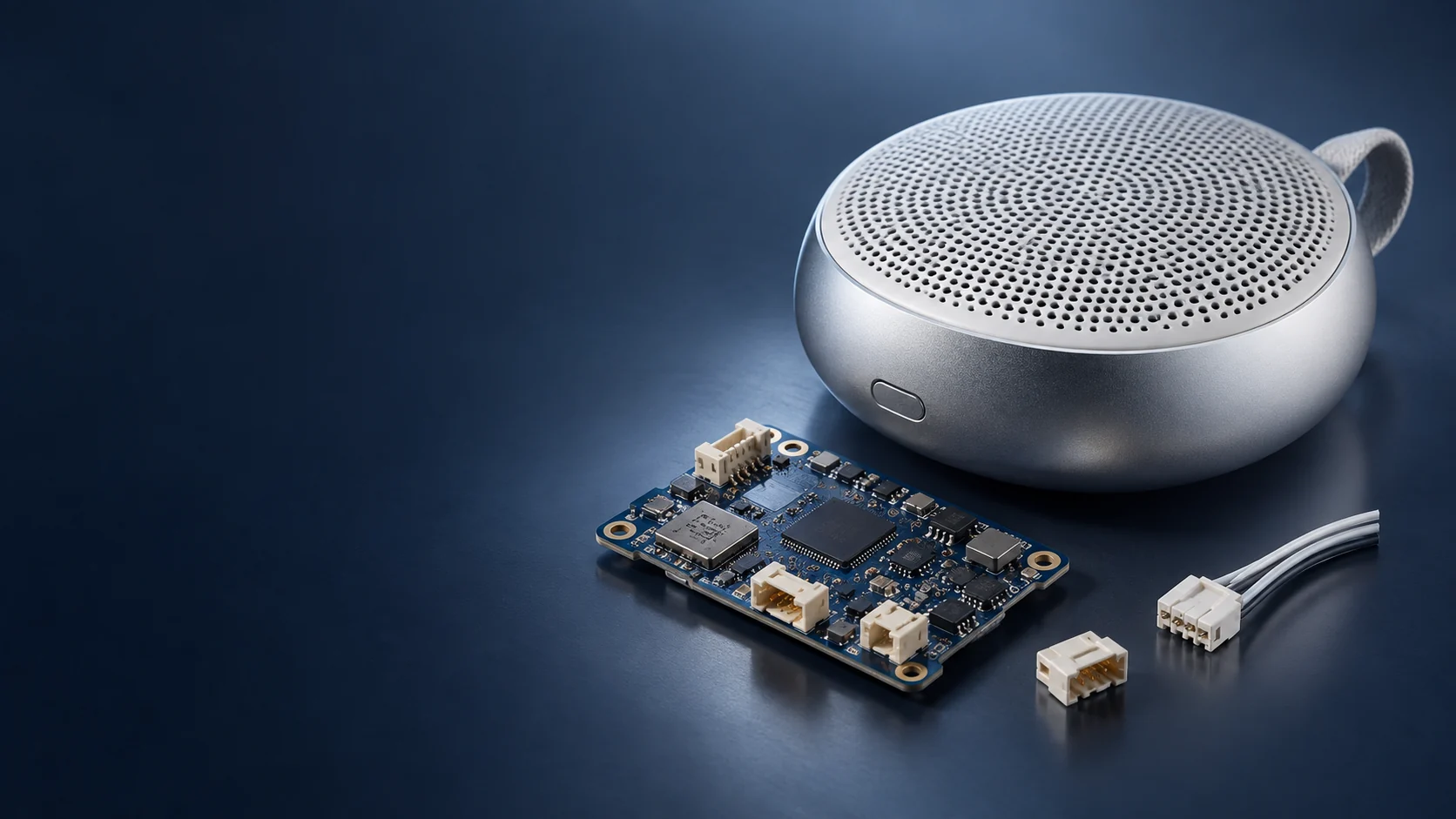
Compact devices and electronic accessories combine control, memory, power and connection requirements within the product’s specified parts list.
Audio products, display controls and related equipment use signal, processing, memory and supporting electronic components.
Appliance control boards, power sections and sensing units create purchasing needs for principal ICs and the components around them.
Connected sensors, home controllers and associated devices combine control, communication and power functions.
Microcontrollers, analog and logic devices specified for the product’s control and signal functions.
Flash, DRAM, EEPROM and related memory products, identified by capacity, package and ordering code.
Power management and switching components for the required electrical ratings and packing format.
Passive components, connectors and optoelectronic products used with the principal devices in the assembly.
Compare the build quantity with the supplier’s minimum order and full-pack requirements. If a lower unit price requires buying more, check whether the additional material can be used in later production.
Separate immediate shortages from later forecast quantities. This helps prioritize the next build without treating an unconfirmed forecast as a firm purchase order.
A revised design or approved substitute may change the part list. Confirm the current code and revision before repeating an earlier purchase.