Control systems
Controllers, input and output modules and operator interfaces use processors, analog circuits and supporting components to handle the equipment’s control functions.
Industrial automation
Industrial equipment combines control electronics, power devices, measurement circuits and interfaces, often over a long product life. We support the specified components for production and maintenance, with attention to exact ordering codes, required operating grades and continued material needs as equipment remains in use.
Sourcing for industrial controls, drives, measurement equipment and interfaces. Exact part numbers, operating grades and continued production or maintenance needs guide the purchase of components for established equipment designs.
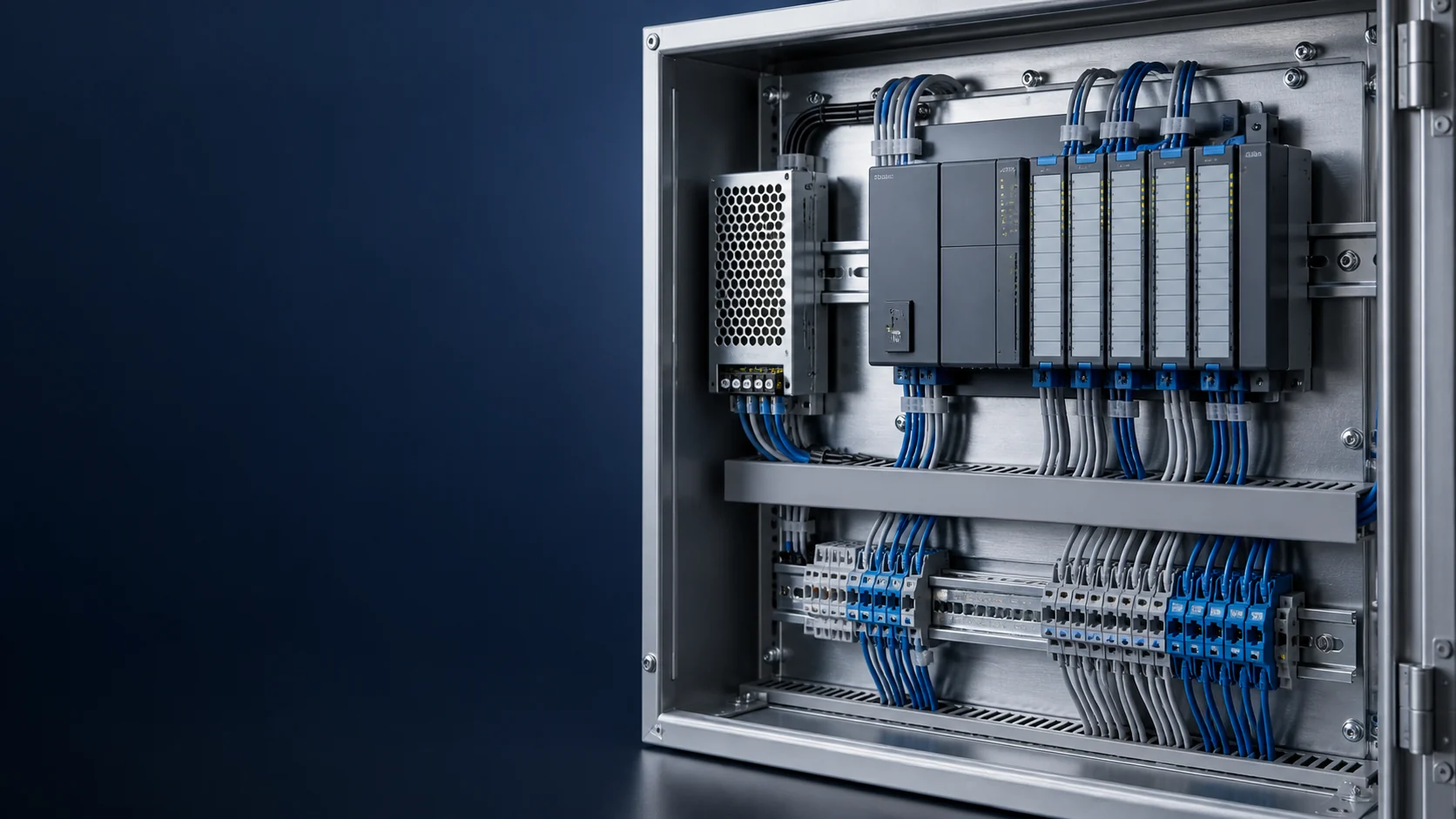
Controllers, input and output modules and operator interfaces use processors, analog circuits and supporting components to handle the equipment’s control functions.
Motor drives and actuator controls combine control signals with power conversion. Their purchasing lists may include gate drivers, power devices and sensing components.
Data acquisition, monitoring and measurement units use analog, conversion and processing devices, often with specific accuracy, package or operating requirements.
Gateways, communication modules and equipment connections bring together interface ICs, isolation devices, connectors and passive components.
Microcontrollers, analog devices and logic ICs used in the specified control and signal circuits.
Power semiconductors, gate drivers and voltage regulation devices for the equipment’s power stages.
Interface ICs, optocouplers and isolation components identified by their complete ordering code.
Board connections, terminals, resistors, capacitors and inductors used with the principal electronic devices.
Package, operating grade and ordering suffix distinguish parts within the same family. Check these details before comparing sources for an existing design.
Separate current production quantities from smaller maintenance needs and later forecasts. When regular supply changes or a part is discontinued, assess available lots against the approved code and the actual use plan before agreeing a purchase.
Clarify date-code, lot and document requirements before purchase, especially when the customer needs records for later maintenance reference.