
Delayed delivery
If an existing supplier moves a delivery date, identify the quantity needed to cover the gap and the date production would be affected. The remaining order may follow a separate schedule.
Shortage sourcing
A delayed shipment, unexpected shortage or revised production plan can make a single part urgent. We first establish the exact component, the quantity needed for the next build and the required arrival date, then compare supply against those priorities.
For urgent shortages, we focus on the specified part, the quantity needed for production and the required arrival date. Partial supply is considered when it helps the customer’s actual production plan.
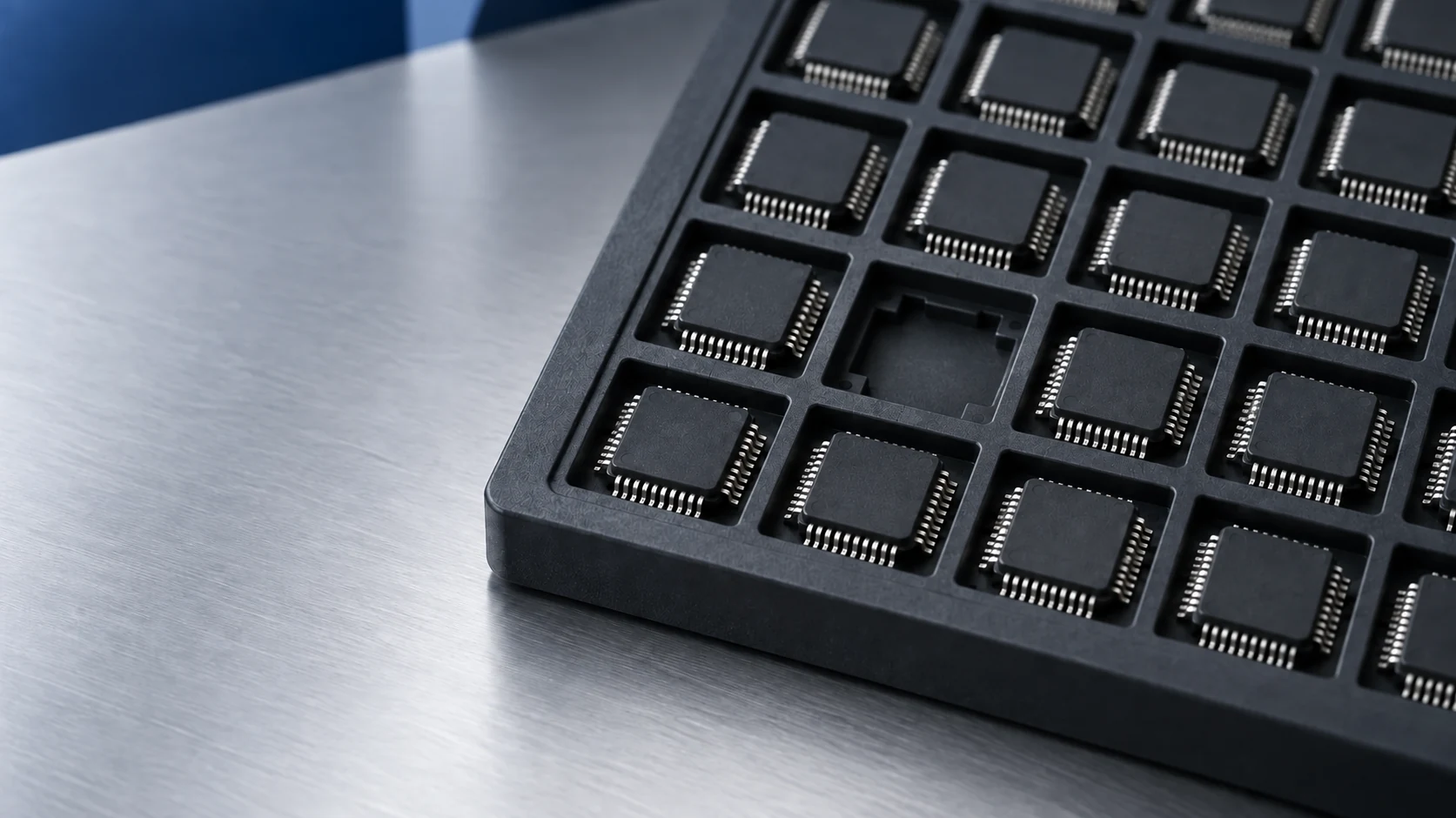
If an existing supplier moves a delivery date, identify the quantity needed to cover the gap and the date production would be affected. The remaining order may follow a separate schedule.
A missing line in a material set may involve a small quantity but hold up the whole build. Confirm which part is missing and whether the requested quantity covers the immediate production need.
An earlier build or additional order can increase demand across several parts. Separate the immediate shortage from later planned quantities so sourcing starts with the lines that matter first.
Confirm the manufacturer, ordering suffix, package and required grade. A similar part or different suffix is offered only as a separate option for the customer to assess and approve.
Establish the amount needed for the next production run and whether the balance can arrive later. This helps compare an available smaller lot with a later complete shipment.
Sealed packaging, date-code limits or specified documents may rule out an otherwise available lot. Those requirements are identified early, together with any additional verification affecting delivery.
Record the exact part, first required quantity and arrival date, together with conditions the customer cannot change.
Check the available lots against those requirements and explain any difference in packaging, timing or records.
Agree the selected quantity, price, checks and shipment plan before the purchase proceeds.
Track agreed actions and notify the customer if a change affects the material or planned shipment.